Sleep apnea and snoring treatment, from your dentist.
Dr. Seemalaxmi Chawan and Dr. Chirag Chawan both provide dental sleep medicine at Smiles by Dr. C, custom oral appliances that treat snoring and obstructive sleep apnea without a mask or surgery. Most of our sleep patients are referred to us by ENT specialists and pediatricians, and we work closely with your physician throughout diagnosis and treatment.
Signs to look for
Could this be sleep apnea?
Most people with obstructive sleep apnea do not know they have it. It is usually a partner or family member who notices first. These are the signs worth getting checked.
Loud, persistent snoring
Especially snoring that is interrupted by pauses, gasping, or choking sounds during the night.
Waking up unrefreshed
Sleeping a full night but still waking up tired, with morning headaches or a dry, sore throat.
Daytime sleepiness
Struggling to stay alert during the day, difficulty concentrating, or falling asleep while driving or in meetings.
In children
Snoring, mouth breathing, restless sleep, bedwetting, or daytime behaviour and attention difficulties.
Teeth grinding
Worn or cracked teeth and jaw clenching at night are frequently linked to disrupted breathing during sleep.
You already have a diagnosis
If a sleep study has confirmed apnea and you cannot tolerate CPAP, an oral appliance may be a workable alternative.
What is dental sleep medicine?
Dental sleep medicine treats snoring and obstructive sleep apnea using a custom-fitted oral appliance, worn at night, that repositions the jaw to keep your airway open. For many patients it is a more comfortable, portable alternative to a CPAP machine. Treatment is coordinated with your physician's sleep study and diagnosis; we handle the appliance and its fit, your doctor manages the medical side.
Treatments we offer
Sleep Apnea Treatment
For patients diagnosed with obstructive sleep apnea, we design a custom oral appliance that holds the jaw in a position that keeps the airway open through the night. It is fitted from a precise digital scan of your bite, adjusted over follow-up visits until it is both effective and comfortable to wear.
Snoring Treatment
Chronic snoring is often caused by the same airway narrowing that causes sleep apnea, even without a formal apnea diagnosis. A custom oral appliance can reduce or eliminate snoring by keeping the airway open during sleep, worn only at night with no surgery involved.
Snoring is worth treating on its own terms. Beyond the effect on your partner's sleep, habitual snoring is often the earliest visible sign of a narrowing airway, and addressing it early can prevent it progressing into diagnosed apnea later.
What treatment looks like
1. Consultation and airway assessment
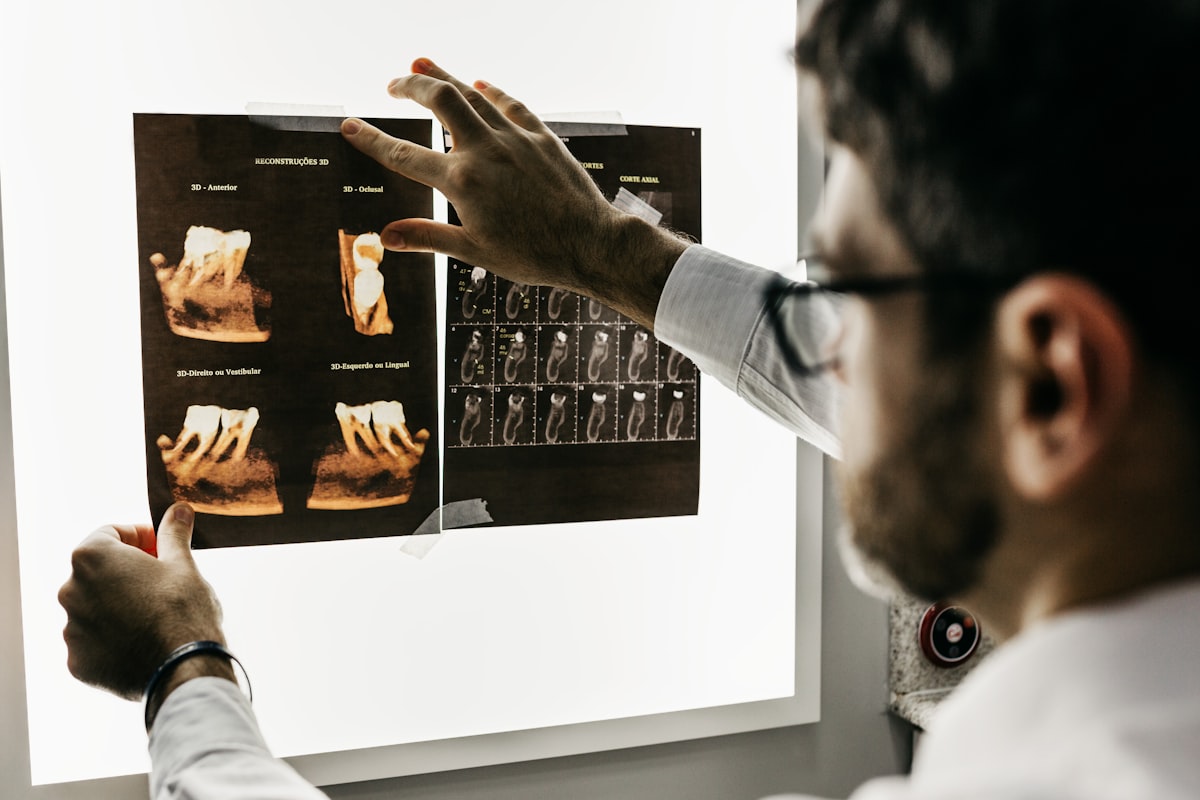
We examine your jaw position, bite, tongue space, and airway. Our in-house 3D CBCT scanner lets us look at the airway directly rather than guessing from a surface examination. If you already have a sleep study from your physician, bring it, it tells us the severity we are treating.
2. Coordination with your physician
Sleep apnea is a medical diagnosis, not a dental one. If you have not been formally diagnosed, we refer you to a sleep physician for a study before proceeding. We stay in contact with your ENT, pulmonologist, or pediatrician so treatment is coordinated rather than fragmented.
3. Custom appliance fitting
Your appliance is made from a precise digital scan of your teeth, not a putty impression. It is fitted to hold your lower jaw slightly forward, which opens the airway behind the tongue. Because it is built for your bite specifically, it is far more comfortable and effective than any over-the-counter anti-snoring device.
4. Adjustment and follow-up
The appliance is titrated over several visits, adjusted in small increments until we find the position that controls your symptoms without straining your jaw. We then review periodically to check the fit, your comfort, and your response, and your physician can re-test to confirm the clinical result.
Why choose Smiles by Dr. C for sleep medicine?
Two treating dentists, both trained and experienced in dental sleep medicine
We coordinate directly with your ENT or physician on diagnosis and follow-up
Custom-fitted appliances made from a precise digital scan of your bite
A comfortable, non-surgical alternative or complement to CPAP therapy
Treated by both our specialists
Dental sleep medicine sits where orthodontics, bite mechanics, and restorative dentistry meet, which is why both doctors are involved. Dr. Chirag brings the orthodontic and jaw-positioning expertise that determines how an appliance should be built, and Dr. Seema brings the restorative and bite-function side, including the tooth wear and grinding that so often accompanies disrupted sleep. Between them, your case is assessed properly rather than handed to whoever is free.
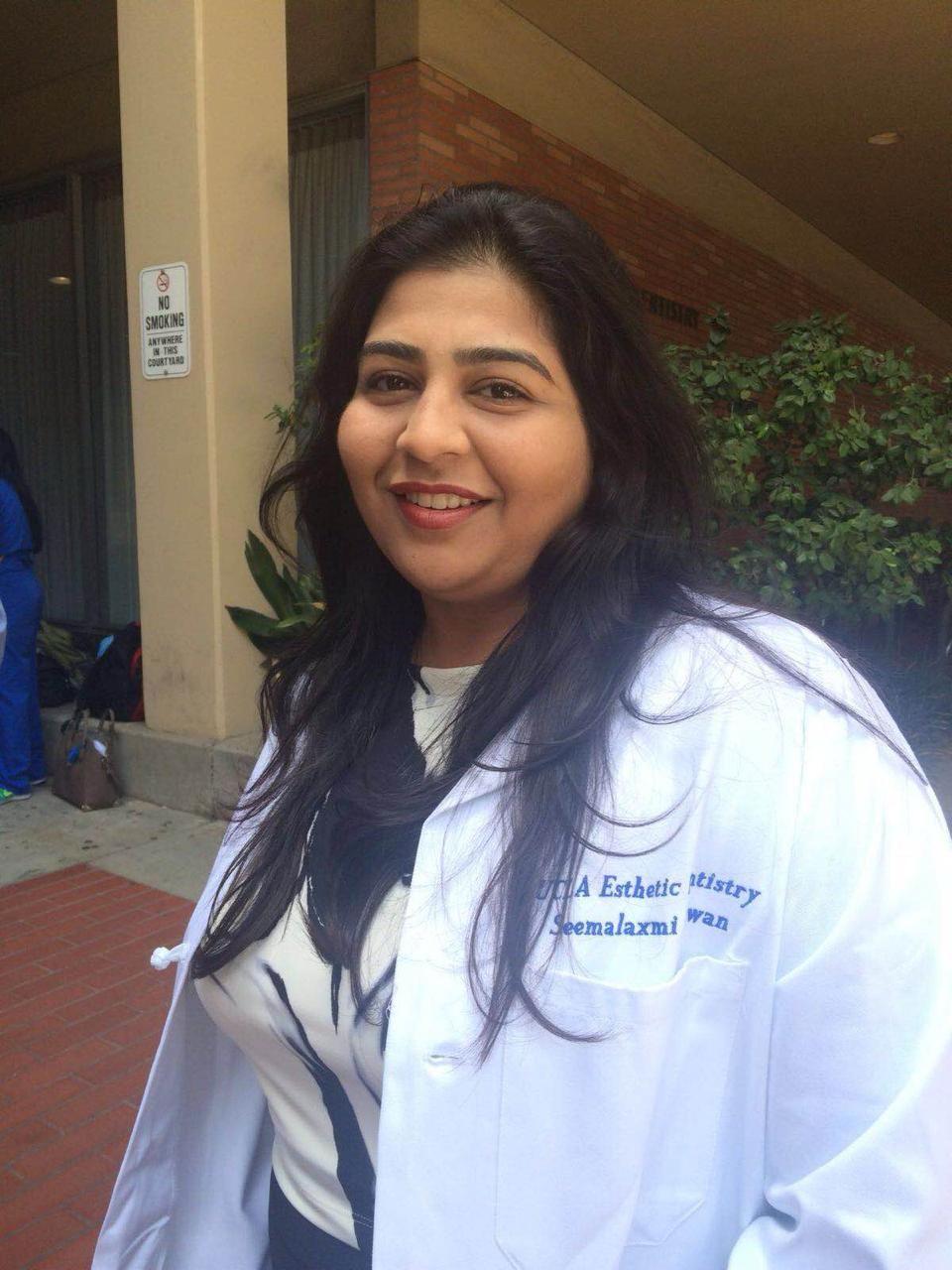
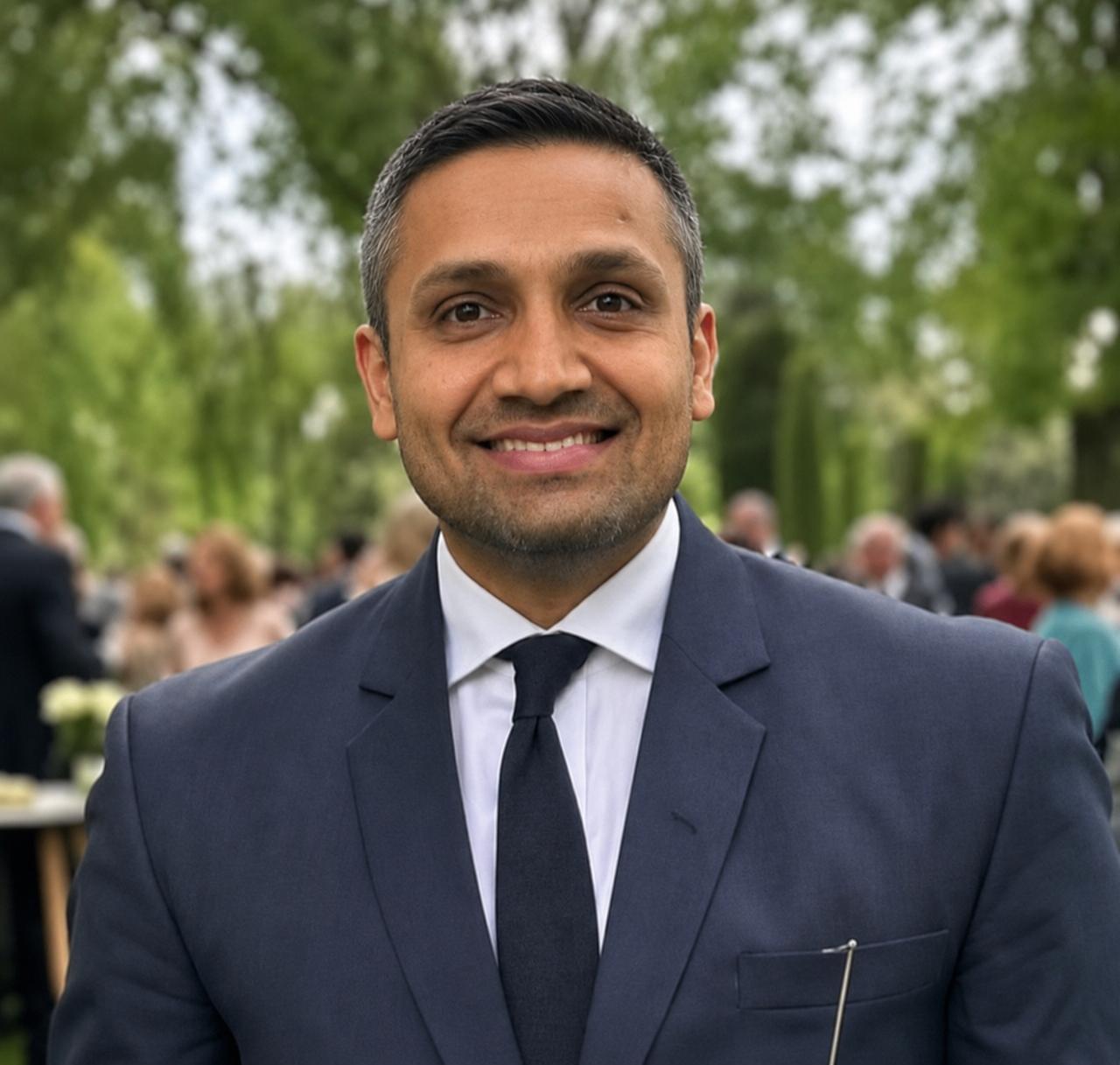
Dr. Seemalaxmi Chawan and Dr. Chirag Vilas Chawan, both UCLA-trained.
Frequently asked questions
For sleep apnea, yes, a physician-ordered sleep study confirms the diagnosis and its severity before we build an oral appliance. If you have not had one, we can refer you to a sleep physician. For snoring alone without a suspected apnea diagnosis, we can evaluate you directly.
A CPAP machine uses air pressure through a mask to keep your airway open. An oral appliance is a small custom-fitted device worn over your teeth that repositions your jaw to achieve a similar result. It is quieter, more portable, and many patients find it easier to tolerate, particularly for mild to moderate cases. Your physician will advise which is right for your severity of apnea.
Yes. Dental sleep medicine is a coordinated treatment. Your physician manages diagnosis and monitors your medical outcomes, while we design, fit, and adjust the oral appliance. We are happy to communicate directly with your referring ENT or pediatrician.
There is an adjustment period, similar to a new retainer, and mild jaw stiffness is common in the first week or two. We fine-tune the fit over follow-up visits until it is comfortable enough to wear consistently, since consistent nightly wear is what makes it effective.
Pediatric sleep-disordered breathing is often referred to us by pediatricians. Evaluation and treatment options differ from adults and depend on your child's specific case, we will discuss the right path at consultation, in coordination with your pediatrician.
For mild to moderate obstructive sleep apnea, often yes. For severe apnea, CPAP usually remains the primary treatment, though an oral appliance can serve as a backup for travel or as part of combination therapy. This is a decision made with your sleep physician based on your study results, not something we decide alone.
Small bite changes can occur over years of nightly wear. This is exactly why the appliance should be made and monitored by a dentist rather than bought online. We check your bite at every review visit and can adjust the design if we see changes developing.
Typically two to three weeks from the scan appointment to fitting, followed by a few short adjustment visits over the following weeks to fine-tune the position.
They are not built for your bite, cannot be adjusted precisely, and can cause jaw discomfort or tooth movement with sustained use. More importantly, if you have undiagnosed sleep apnea, quietening the snoring without treating the underlying airway problem hides a genuine medical issue rather than solving it.
Cost depends on your diagnosis and the appliance required. We provide a detailed treatment plan with pricing during your consultation, no surprises.
Sleep better, breathe easier
Talk to us about sleep apnea or snoring.
Book a consultation with Dr. Seema or Dr. Chirag. If you have been referred by a physician, please bring your sleep study or referral notes.